
Duramax LLY common issue is broken return line fitting right at the o-ring

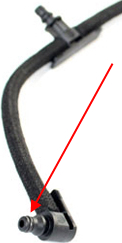
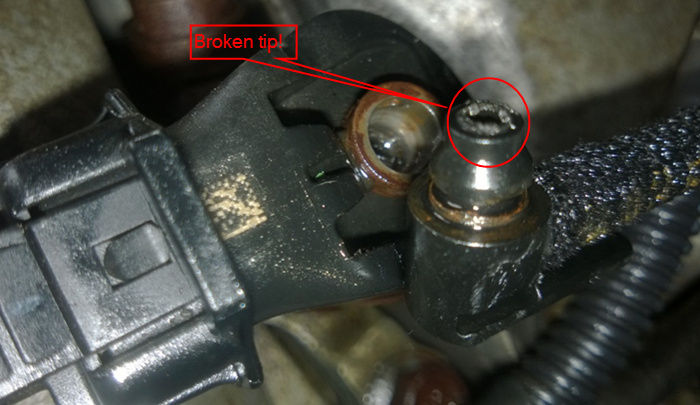
Replacing the entire injector return line on a Duramax LLY versus repairing just the broken or leaking section is a decision that hinges on cost, reliability, and preparedness—especially if you’re someone who might find yourself broken down in the middle of nowhere.
Repair Shop vs. DIY Costs
At a repair shop, replacing the entire return line can be significantly more expensive than a spot repair. Labor rates, markup on parts, and diagnostic fees can quickly add up. A full replacement might run several hundred dollars, depending on the shop and region. In contrast, a DIY repair—especially if you’re only fixing a single leaking fitting or section—can cost as little as $20–$50 if you already have basic tools and the right parts. However, if you’re doing a full replacement yourself, the cost of the entire return line kit (OEM or aftermarket) might range from $100–$250, still considerably cheaper than a shop job.
Reliability and Peace of Mind
While repairing just the leaking section might seem economical, it’s often a temporary fix. The LLY injector return lines are known to degrade over time, and if one section has failed, others may not be far behind. Replacing the entire line ensures consistent pressure, eliminates weak points, and reduces the risk of future leaks—especially critical if you’re towing or driving long distances. For those who rely on their truck in remote areas, the peace of mind from a full replacement can be worth the extra upfront effort.
Emergency Preparedness
If you’re the kind of person who travels far from service centers, carrying a full injector return line kit and basic tools can be a lifesaver. A roadside repair of a leaking line is feasible if you have the parts and know-how. Having a full kit means you’re not just fixing one leak—you’re prepared to replace any section that fails. This is especially important for LLY owners who’ve experienced the frustration of fuel leaks in inconvenient places.
TL;DR
In summary, while a spot repair might be fine for short-term or budget-conscious fixes, replacing the entire return line—especially as a DIY project—offers better long-term reliability and emergency readiness. If you’re often off the grid, investing in a full kit and learning the replacement process could save you time, money, and a major headache down the road.